


Setting up a relaxing soak at the end of a long day involves more than simply running warm water into a tub. The market is flooded with various crystalline products designed for the bathroom, but understanding what you are actually pouring into your water can completely alter the experience. Consumers often stand in the personal care aisle feeling overwhelmed by the sheer variety of options, from heavily perfumed colored grains to raw, unrefined bags of earth-derived elements. By learning how to decode packaging claims and identifying the physical characteristics of different compounds, you can make informed decisions that suit your personal care goals. A mindful approach to selecting your tub additives ensures that your evening routine remains both enjoyable and cost-effective, bypassing products that are largely cosmetic in favor of those with genuine utility. A truly well-designed soaking experience is grounded in understanding the materials you are using, ensuring that every session provides the specific type of relaxation you require.
Distinguishing Between Pantry Staples and Personal Care Ingredients
A common misconception is that the ingredients found in the kitchen cabinet can be swapped seamlessly into a personal care routine. While culinary seasonings are heavily refined to ensure food safety and predictable flavor profiles, products intended for the tub serve an entirely different purpose. Cooking varieties are typically composed almost entirely of sodium chloride, stripped of trace elements to prevent them from interfering with recipes. If you were to dump a standard box of table seasoning into a warm tub, you would essentially be sitting in diluted seawater without any of the diverse trace elements that make a dedicated soak worthwhile.

Products harvested specifically for bathing, particularly those sourced from historic inland bodies of water, retain a complex profile of naturally occurring elements. The raw material undergoes minimal processing, ensuring that the distinctive composition of the source environment is preserved. It is crucial to recognize that these unrefined products are strictly for external use. Because they lack the purification processes required for food-grade certification, they belong solely in the bathroom cabinet and should never make their way onto your dinner plate.
Deciphering Labels for True Composition
Marketing language on personal care packaging can be remarkably persuasive, often obscuring the actual contents of the bag. To evaluate a product accurately, you must look past the large print on the front and read the detailed ingredient list on the back. Many inexpensive commercial formulations are nothing more than bulk sodium chloride dressed up with synthetic fragrances and artificial dyes. While these may smell pleasant and turn the water an attractive shade of blue, they do not offer the complex elemental profile that discerning buyers are typically seeking. Instead, they act merely as water softeners and perfumes, failing to deliver the authentic experience promised by natural mineral extraction.
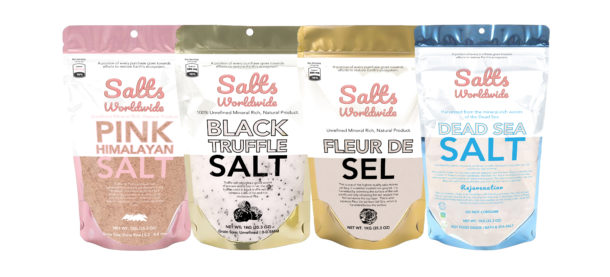
When reviewing the composition of a premium soak, it is helpful to look for specific element ratios rather than vague promises of relaxation. For example, it is common to mention Himalayan salt as a comparison point for mineral content claims, as buyers frequently weigh its trace iron and calcium against the robust mineral profiles found in other geographic regions. True quality is indicated by transparency on the label. A reputable manufacturer will clearly list the percentage of naturally occurring compounds, avoiding ambiguous terms like “mineral blend” in favor of exact scientific nomenclature.
Understanding the Impact of Grain Dimensions
The physical size of the crystals in your chosen product directly influences how quickly they dissolve and how they interact with your plumbing. Manufacturers typically offer their products in various grades, ranging from a powdery fine dust to large, rocky chunks. Each size serves a distinct function in a comprehensive personal care routine.
- Extra-fine grains dissolve almost instantly, making them ideal for quick baths where you do not want to wait for large chunks to break down.
- Medium textures are highly versatile and often serve as the base for homemade body scrubs when mixed with a carrier oil.
- Coarse crystals provide a slow, sustained release of elements into the water, perfect for extended soaking sessions.
- Extra-large rocks are frequently used for decorative displays in the bathroom while passively absorbing ambient humidity.

Establishing a Reasonable Routine
Creating a sustainable habit is far more beneficial than indulging in a single, overly complicated session once a year. A practical approach involves dedicating twenty to thirty minutes to your soak, allowing enough time to unwind without letting the water grow uncomfortably cold. Temperature control is vital; the water should be warm enough to encourage relaxation but not so hot that it causes excessive sweating or lightheadedness upon standing.
When designing a routine, you might consider what dermatology or mineral-science writing says about magnesium in bathing water; its presence in a topical solution creates an environment that differs greatly from standard tap water. While keeping the temperature moderate, ensure that the crystals are fully dissolved before you step in. Stirring the bottom of the tub with your hand prevents sitting on sharp, undissolved pieces and ensures the elements are evenly distributed throughout the basin. Following up with a thorough rinse under a lukewarm shower helps remove any lingering residue from the skin.
Frequently Asked Questions
How much product should I add to a standard-sized tub?
A typical application ranges from one to two cups per standard residential tub, depending on personal preference and the specific concentration of the product. It is generally best to start with a smaller amount and adjust future sessions based on your comfort level.
Will these natural compounds damage my acrylic bathtub or plumbing?
Pure, uncolored minerals dissolve completely in water and will not scratch or stain a standard acrylic surface. However, you should avoid products that contain heavy essential oils or artificial dyes, as these additives can leave a stubborn ring around the basin.
How should I store bulk bags to prevent the contents from degrading?
Keep the product in a tightly sealed container stored in a cool, dry place. Bathrooms are inherently humid environments, so transferring the bulk of your supply to an airtight glass jar or plastic bin will prevent the material from absorbing moisture from the air and clumping together.
Disclaimer: The information contained in this guide is meant for general educational purposes and personal care reference. It should not be construed as medical advice or a treatment plan for any dermatological or systemic health condition. Consult a licensed physician or dermatologist before beginning any new bathing regimen, especially if you have sensitive skin or underlying health concerns.
Recent Comments